How Are Peptides Tested? Hplc, Coa & Pureness Clarified 2026
Air Conditioning Peptide Testing Laboratories Third-party Peptide Evaluation HPLC laboratory supplied actives quantitation, additive analysis, extractable and leachable, assay and contamination evaluation, recognition, consisting of contaminant analysis and quantitation. A reliable purity process balances rate, price, and the degree of analytical assurance needed. The majority of labs begin with a rapid chromatographic check and broaden to mass spectrometry, amino acid evaluation, or peptide mapping when deeper characterization is called for. The COA paperwork generally includes advised reconstitution protocols particular per peptide. Rather than just relying on a vendor's insurance claims concerning testing, scientists can separately verify that screening really happened and assess the certain results for their batch. This public verifiability transforms quality control from an exclusive claim right into a publicly checkable fact. It aids validate that peptide-based medications satisfy the high criteria for security and effectiveness. Solid Stage Peptide Synthesis (SPPS) is based on sequential addition of alpha-amino and side chain safeguarded amino acid deposits to an insoluble polymeric assistance. Quickly, synthesis is executed by step-by-step enhancement of activated amino acids Peptide Vials to the strong assistance (Wang material and PEG-PS) beginning with the carboxy terminus to the amino terminus. At the end of the synthesis the peptides were cleaved off the material by reagent R (90% TFA, 5% Thioanisole, 3% Ethanedithiol, and 2% Anisole) and based on numerous Thymosin Alpha-1 ether removals. When you choose Emirates Peptides, you select self-confidence in your research products. HPLC separates the elements of a peptide example based upon their chemical buildings as they pass through a specialized column under high pressure. A detector determines each element as it departures the column, creating a chromatogram-- a graph of the example's composition.
Regularly Asked Inquiries (Faqs) About Hplc In Peptide Recognition
Regulative firms closely monitor peptide items, particularly those made use of in intensified medication under 503a and 503b standards. As an example, peptides intensified under 503b facilities need to meet higher quality criteria compared to 503a facilities, which focus on patient-specific prescriptions. Chromatography is made use of to divide peptide components and identify contaminations. This method includes HPLC purity analysis and size exclusion chromatography (SEC). The appropriate peptide steps through the column in a foreseeable method, while undesirable materials-- such as leftover fragments, harmed peptides, or contaminations-- move differently. As each substance leaves the column, a detector measures it and documents the result as a height on a chart called a chromatogram.How Peptides Are Tested: Key Methods
Just how much does peptide HPLC testing expense?
The expense of peptide analysis service varies dramatically based on which strategies your regulatory plan needs: HPLC-UV Evaluation: $& #x 24; 300 & #x 2013; & #x 24; 800 per example (typical pureness analysis) LC-MS (Fluid Chromatography-Mass Spectrometry): $& #x 24; 600 & #x 2013; & #x 24; 1,500 per example (molecular weight verification).
Stability And Deterioration Researches
- You can verify credibility by examining the COA verification code via the testing laboratory's website.
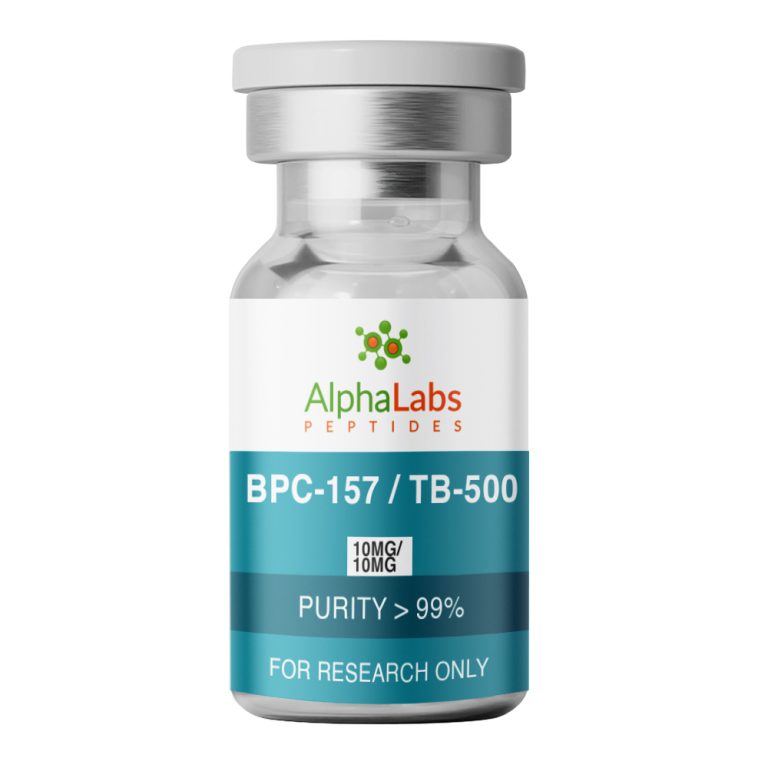
- HPLC and Mass Spectrometry offer the gold-standard assurance that what remains in the vial is pure, precise, and specifically what the label claims.
- Inquire on instrumentation, detection restrictions, and validation standing prior to sending samples.
- With analytical screening, makers can confirm that peptide-based medications meet regulatory standards.
- Transform vial strength, water quantity, and reference dose into exact syringe devices.
- For peptide pureness testing, reverse-phase HPLC is the basic theoretical model.
